What Actually Causes Joint Stiffness?
While causes vary between individuals, several factors are consistently reported across research and clinical experience as contributing to joint stiffness.
Understanding common contributors can help with practical planning, though this information does not replace guidance from your own doctor.
Inactivity and prolonged sitting
Joints that go without regular movement for extended periods commonly feel stiffer, since synovial fluid, which lubricates joints, circulates more with movement. This is why stiffness is often most noticeable first thing in the morning.
Age-related cartilage changes
Cartilage naturally thins with age in many people, reducing the cushioning between bones and commonly contributing to stiffness, particularly in weight-bearing joints like knees and hips.
Weather and temperature changes
Many people report that cold or damp weather correlates with increased joint stiffness, though the exact mechanism is debated and the connection likely varies between individuals.
Excess body weight
Additional weight increases mechanical load on weight-bearing joints, commonly reported as a contributor to both stiffness and discomfort over time.
Underlying inflammatory conditions
Conditions like osteoarthritis and rheumatoid arthritis involve inflammation and cartilage changes that commonly cause stiffness, particularly notable after rest. Persistent stiffness lasting more than 30 minutes after waking is worth discussing with a doctor.
Tracking your own patterns
What this means for management
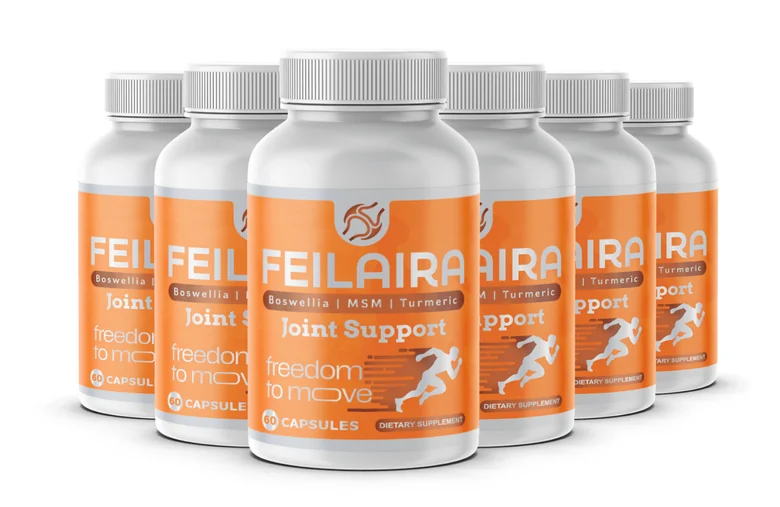
Addressing manageable contributors, regular gentle movement and weight management among them, is a reasonable complement to any medical treatment. Formulas built around joint-support ingredients, like those in Feilaira, are designed to support this broader picture, not replace it.